Gone are the days when a rooftop mast was the only way to enjoy your favourite channels. Whether you live in a flat where installing an external aerial is impossible, or you simply want to avoid the hassle of scaling a roof, there are now several reliable ways to receive digital terrestrial television without relying on a traditional outdoor aerial. From clever indoor gadgets to internet-powered streaming, this guide walks you through four practical solutions that could transform how you watch telly at home.
At a glance
- Digital terrestrial television (DTT) relies on ground-based transmitters rather than satellite signals, making reception dependent on your specific location and physical obstructions.
- Indoor antennas offer a cost-effective alternative to rooftop masts, provided they are strategically positioned near windows and away from electronic interference.
- Modern smart televisions often feature built-in digital decoders that simplify the setup process by eliminating the need for external hardware receivers.
- Streaming devices like the Amazon Fire Stick allow users to bypass traditional broadcast signals entirely by delivering live television content via an internet connection.
- Optimizing reception for indoor antennas can be achieved through the use of signal boosters and high-quality cabling to compensate for weaker signal strength.
- A reliable broadband connection is essential for those who choose internet-based streaming, as high-definition content requires sufficient bandwidth and stable data usage.
Understanding digital terrestrial television and alternative reception methods
What is Digital Terrestrial Television and How Does It Work?
Digital terrestrial television, often shortened to DTT, is the system that delivers free channels such as those found on Freeview here in the UK. It works by broadcasting signals from transmitter masts dotted across the country, which are then picked up by an aerial and converted into the picture and sound you see on your screen. Unlike satellite services such as Sky or Freesat, which beam signals down from space, DTT relies entirely on ground-based relay stations. This distinction matters because your location relative to these masts, along with any obstructions like hills or tall buildings, can significantly affect signal reception.
Why consider alternatives to traditional external aerials?
Not everyone has the luxury of fitting a rooftop antenna. Renters, flat dwellers, and those in listed buildings often face restrictions on external installations. There’s also the matter of cost and safety compliance, as proper aerial installation requires careful positioning and adherence to regulations to avoid hazards. Beyond practical barriers, many households simply prefer a more flexible setup, especially with the rise of internet TV and streaming devices offering greater convenience. Thankfully, whether you’re dealing with weak signal strength or just fancy a change, there are workable alternatives that don’t compromise on quality.
Utilising indoor aerials for digital terrestrial television reception
Choosing the Right Indoor Aerial for Your Location
An indoor antenna represents one of the most economical solutions for accessing DTT, particularly if you live in an area with strong broadcast coverage. These compact devices sit inside your home, often near a window, and pick up terrestrial signals much like their outdoor counterparts, only on a smaller scale. When selecting one, it’s worth checking your postcode against transmitter coverage maps to gauge signal strength in your area. Homes closer to relay stations or primary masts will generally see better results, while those further away might need a more powerful, amplified model to compensate for weaker reception.
Optimising indoor aerial placement for maximum signal strength
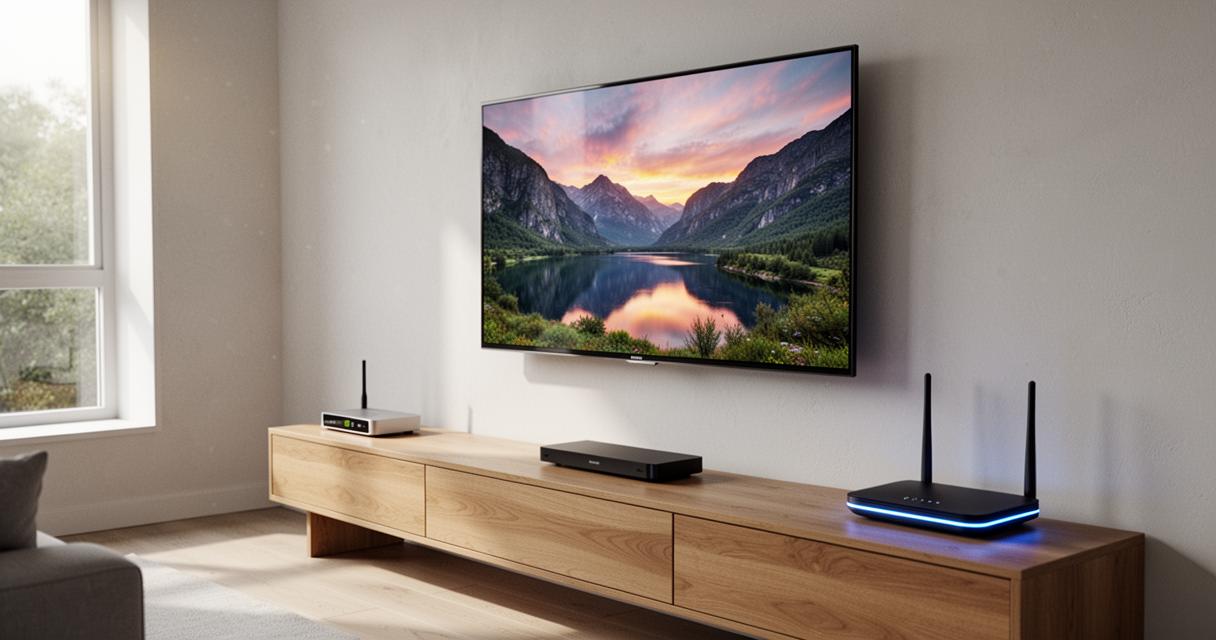
Positioning makes all the difference with indoor aerials. Placing the unit near a window facing the direction of the nearest transmitter can drastically improve picture quality and reduce issues like pixelation or freezing. It’s also worth experimenting with height, as raising the aerial slightly or moving it away from electronic interference, such as routers or other appliances, often yields better results. Good quality cables and, where necessary, signal boosters can further enhance reception, especially in properties with thick walls or significant distance from broadcast towers.
Leveraging smart television technology and integrated decoders
Benefits of Built-in Digital Decoders in Modern Smart Televisions
Many contemporary smart televisions come equipped with built-in digital decoders, meaning you can access Freeview channels without any additional hardware whatsoever. This integration simplifies the viewing experience considerably, as the television itself handles the conversion of terrestrial signals into a clear picture. It’s a particularly attractive option for those wanting to minimise clutter and avoid the expense of separate terrestrial receivers or external boxes. UHD 4K receivers built into premium models also offer enhanced picture quality for those with compatible content.
Setting up your smart tv to access freeview channels directly
Getting started is usually straightforward. Most smart TVs will prompt you through an initial channel scan during setup, automatically detecting available DTT signals in your area. You’ll typically need either a connected indoor aerial or, in some cases, a strong enough internal antenna depending on the model. Once configured, you can retune periodically to ensure you’re receiving the full range of channels, particularly after any regional transmitter updates or frequency changes.
Accessing television content through internet streaming devices
Popular streaming devices: amazon fire stick and android boxes explained
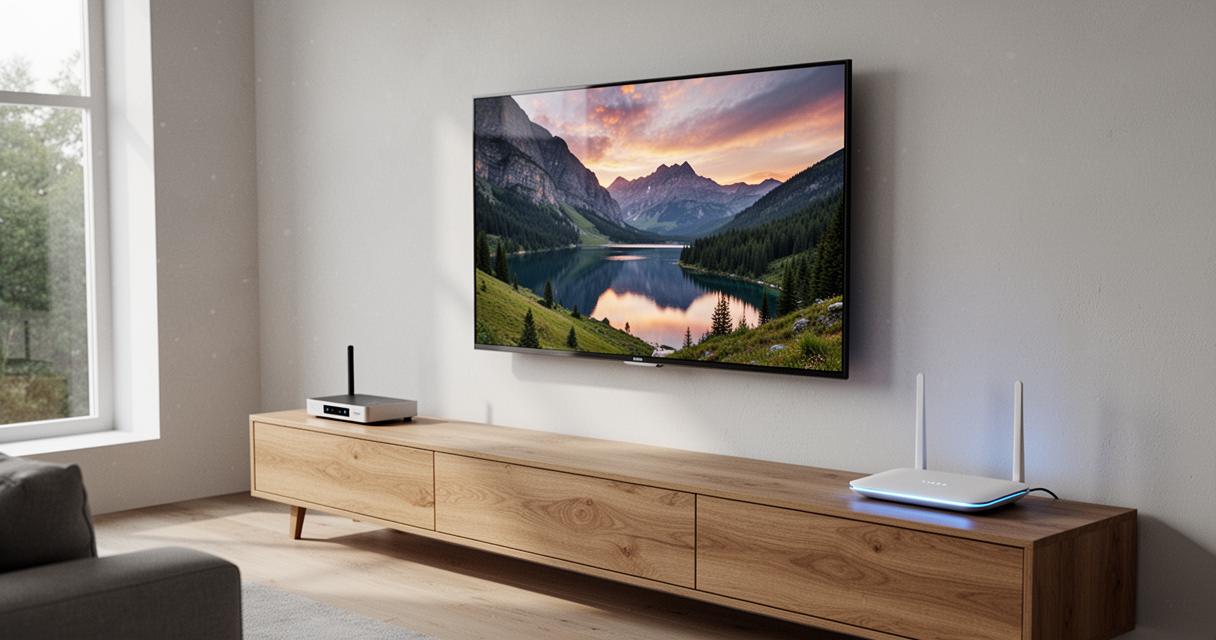
For those with a reliable broadband connection, streaming devices offer a brilliant alternative to conventional aerials altogether. Products like the Amazon Fire Stick or various Android boxes plug directly into your television and grant access to a wealth of live TV apps and on-demand content via the internet. These gadgets essentially turn your telly into a smart hub, bypassing the need for terrestrial or satellite signals entirely. They’re especially popular among those who’ve cut the cord on traditional broadcasting in favour of streaming services.
Configuring your streaming device for live television channels
Setting up a streaming device typically involves connecting it to your home WiFi network and downloading the relevant apps for live television, such as those provided by broadcasters or your internet service provider’s own ISP decoder software. It’s worth bearing in mind that this method demands a decent internet connection and a reasonable data allowance, as streaming high-definition content can quickly consume bandwidth. For households already equipped with solid IT infrastructure and WiFi installation, this route often proves remarkably hassle-free.
Enhancing your viewing experience with voice-activated technology
Integrating google assistant with your smart television setup
Voice-activated technology has become increasingly common in modern homes, and pairing devices like Google Assistant with your smart television can add a layer of convenience to your viewing routine. Once linked, you can search for programmes, switch channels, or adjust settings simply by speaking commands, removing the need to fumble for a remote control every time you want to change what’s on.
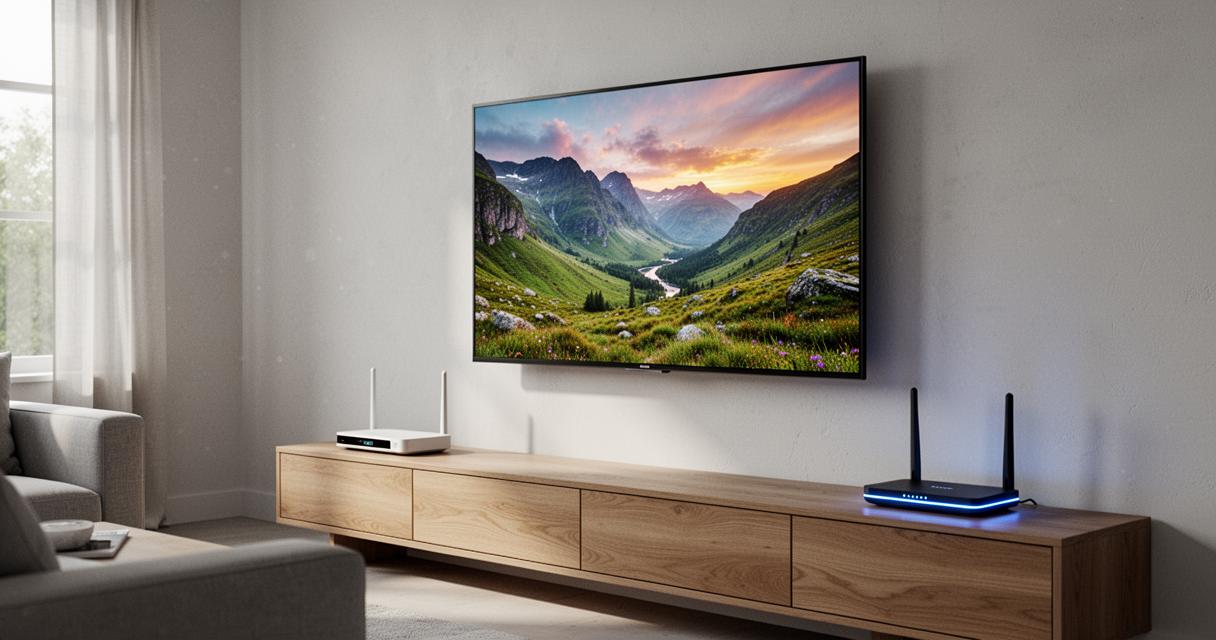
Controlling your television experience hands-free without physical connections
This hands-free approach pairs particularly well with streaming setups and smart TVs with built-in decoders, since there’s no physical antenna connection to worry about in the first place. It’s a natural extension of the broader shift towards internet-based entertainment, where flexibility and ease of use take precedence over traditional wiring and equipment.
Practical considerations when choosing your dtt solution
Comparing signal quality across different reception methods
Each solution comes with its own trade-offs regarding signal quality. Indoor aerials work wonderfully in areas with strong broadcast coverage but may struggle where terrain or distance from transmitters causes weaker signal reception. Streaming devices depend entirely on internet stability, meaning a patchy broadband connection could lead to buffering rather than the pixelation associated with poor terrestrial signals. For those in genuinely difficult reception areas, DTT via satellite can offer more stable quality, though it does require proper installation and alignment with satellite footprints to work effectively.
Cost-Effectiveness and Installation Requirements for Each Solution
Budget plays a significant role in deciding which route suits you best. Indoor antennas remain the cheapest option upfront, whilst smart TVs with integrated decoders eliminate the need for extra spending on separate receivers. Streaming devices sit at a similar price point but come with ongoing considerations around broadband costs and data usage. Interestingly, this same flexibility appeals to those enjoying camping and caravanning holidays, where touring television and touring radio setups often rely on similar principles, using manual or self-seeking satellite dishes to maintain a connection to home comforts whilst away, whether staying at a glamping site, self-catering accommodation, or a traditional campsite booking through a holiday club. Ultimately, weighing signal strength, installation complexity, and monthly costs against your specific circumstances will help you land on the most sensible solution for your household.